
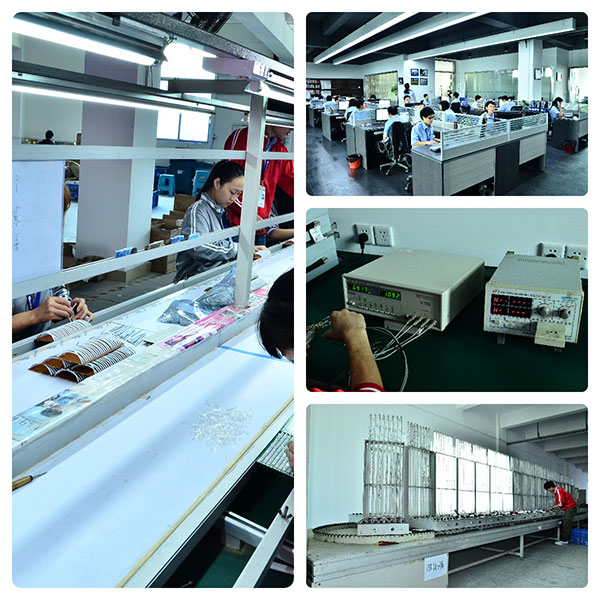
LED lighting has revolutionized the way we illuminate spaces. With technological advancements and growing energy efficiency, LED lights are becoming the go-to choice for residential, commercial, and industrial applications. As demand for sustainability and cost-efficiency increases, LED lighting trends continue to evolve. This article will explore some of the key LED lighting trends you should know flexible led strip lights factory.
1. Smart LED Lighting Systems
One of the most significant trends in LED lighting today is the integration of smart technology. Smart LED systems offer control over brightness, color temperature, and even automation through apps and voice assistants like Amazon Alexa or Google Assistant. These systems allow users to adjust lighting based on time of day or activity. For example, you can set your lights to dim when watching a movie or brighten when you’re working. Additionally, smart LEDs can help conserve energy by automatically turning off when no one is in the room or adjusting to optimal settings. As more homes and businesses adopt smart technology, the demand for smart LED systems is growing rapidly.
2. Human-Centric Lighting
Human-centric lighting (HCL) is a growing trend that focuses on designing LED lighting to enhance well-being and productivity. The goal of HCL is to align artificial lighting with the natural circadian rhythm. Studies have shown that exposure to certain types of light during specific times of day can positively influence mood, focus, and sleep quality. LEDs with adjustable color temperatures mimic natural daylight, providing cool light in the morning and warmer hues in the evening. Businesses, schools, hospitals, and homes are increasingly adopting human-centric LED lighting to improve health and productivity.
3. Energy Efficiency and Sustainability
LED lights are already known for their energy efficiency compared to traditional lighting options, such as incandescent or fluorescent bulbs. As energy costs rise and environmental concerns become more pressing, the demand for energy-efficient solutions like LEDs is growing. LED lights consume up to 80% less energy than traditional bulbs, and they last much longer—often up to 25 times longer than incandescent bulbs. This longevity means fewer replacements and less waste. Moreover, many LED products are now designed with sustainable materials and packaging, further reducing their environmental impact. The push for green solutions is likely to keep LED lighting at the forefront of sustainable technologies.
4. RGB and Color-Changing LEDs
Another exciting trend in LED lighting is the use of RGB (red, green, blue) and color-changing LEDs. These lights allow users to customize the color of their lighting to suit different moods, occasions, or environments. RGB LEDs are particularly popular in entertainment spaces, such as home theaters and gaming rooms, where dynamic color changes can enhance the experience. Businesses are also using color-changing LEDs to create branded or themed environments. With the growing availability of affordable, color-tunable LEDs, consumers can now easily personalize their spaces. This trend is not only about aesthetics but also about creating the right atmosphere and ambiance.
5. LED Retrofits for Existing Fixtures
Upgrading existing lighting systems with LED technology is a trend that continues to gain traction. Many businesses and homeowners are retrofitting older light fixtures with LED bulbs to enjoy the energy savings and longer lifespan without the need for a complete fixture replacement. LED retrofit kits are available for various types of lighting, including recessed lights, street lamps, and even chandeliers. Retrofitting is a cost-effective solution for those who want to benefit from LED technology without making significant changes to their existing infrastructure. As LEDs become more widely available and affordable, retrofit solutions are expected to grow in popularity across different sectors.
Conclusion
LED lighting is continuously evolving, and staying updated on the latest trends is crucial. Whether it's the integration of smart features, human-centric design, energy efficiency, color customization, or retrofitting existing fixtures, LED lighting is shaping the way we illuminate our spaces. By adopting these trends, you can reduce your energy consumption, enhance your environment, and contribute to a more sustainable future.
